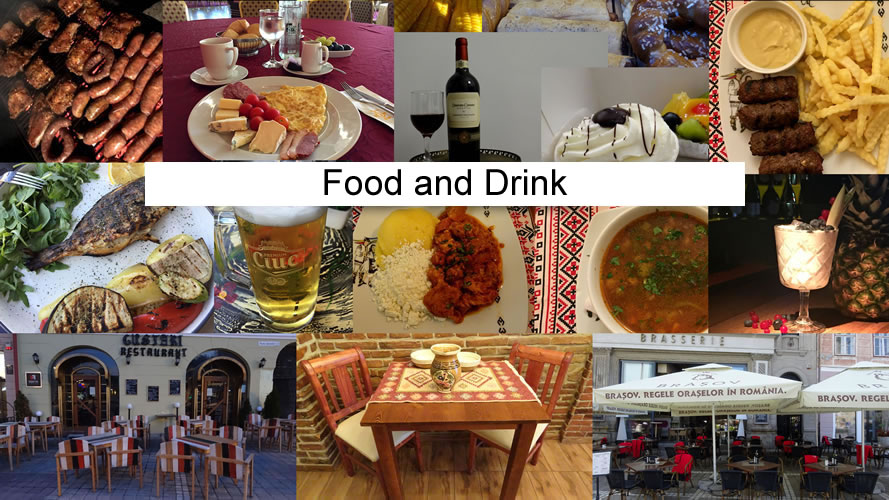
Romanian Wine (Vin Romanesc), Romania has a winemaking tradition that goes back thousands of years and offers an impressive variety of wines. There are numerous indigenous grape varieties, such as Feteasca Alba, Grasa de Cotnari, and Feteasca Regala, which are white grapes used to make wine. Feteasca Neagra and Babeasca Neagra are the most well-known native red grape varieties. In addition, international varieties like Riesling, Chardonnay, Cabernet Sauvignon, and Merlot are also cultivated.
Romanian wines range from simple table wines (Vin de Masa) to high-quality award-winning wines (DOC and trepte de Calitate DOCC) and offer unique flavor profiles that will thrill any wine lover. They are still considered something of a hidden gem, so definitely worth trying! Every sip of Romanian wine tells the story of a country full of sunshine, mountains, and tradition.

Romanian Wine (Vin Romanesc)
Wine-growing regions of Romania:
Main Region: Banat (Buzias-Silagiu, Moldova Noua, Minis, Recas, Severinului and Teremia)
Main Region: Crisana ()
Main region: Dobrogea (Istria-Babadag, Murfatlar, Ostrov and Sarca Niculitel)
Main Region: Moldova (Bujor, Cotesi, Cotnari, Covurlui, Dealul Bujorului, Husi, Iasi, Ivesti and more)
Main region: Mutenines ( Dealu Mare, Dealurile Buzaului, Pietroasele, Samburesti and Stefanesti)
Main Region: Oltenia (Corcova, Crusetu, Dealurile-Craiovei, Dragasani, Drincea, Plaiurile-Drincei, Sadova-Corabia, Segarcea and Targu-Jiu)
Main region: Transylvania (Alba Iulia, Bistrita-Nasaud, Lechinta, Sebes-Apold and Tarnave)
Wine Tasting and Wine Tourism
Many wineries offer tours, tastings, and even overnight stays. Boutique wineries, which produce wine by hand, are particularly popular. Tastings are often accompanied by traditional Romanian snacks such as cheese, cured meats, or bread, perfect for an authentic experience.
It’s worth trying, whether you prefer a simple table wine or a premium vintage! The often breathtaking landscapes surrounding the wineries make every wine tour an unforgettable experience.
If you plan to visit wineries, it’s best to book in advance, especially during the peak season (July–September).
Wine Serving Temperatures and Glassware
The temperature of the wine, as well as the type of glass, is an important factor for a perfect wine experience.
Red Wines
Light red wines: Serve slightly chilled at about 12–14 °C (54–57 °F) in a small- to medium-volume glass with a medium bowl.
Medium-bodied red wines: Serve lightly tempered at 14–16 °C (57–61 °F) in a round, full-bodied glass.
Aged red wines: Serve at room temperature, around 16–18 °C (61–64 °F), in a large, voluminous glass with a wide bowl.
Rosé Wines
Serve chilled at 6–8 °C (43–46 °F) in a small- to medium-volume glass with a medium bowl.
White Wines
Light white wines: Serve chilled at 6–8 °C (43–46 °F) in a slender glass.
Oaked white wines: Serve slightly chilled at 12–16 °C (54–61 °F) in a tall, full-bodied glass with a slightly narrow rim.
Sweet white wines: Serve lightly chilled at 8–10 °C (46–50 °F) in an open glass with a short stem.
Dessert wines: Serve slightly chilled at 12–16 °C (54–61 °F) in a funnel-shaped glass with a wide midsection.
Sparkling Wines / Sekt
Serve chilled at 4–8 °C (39–46 °F) in a slender, tulip-shaped glass.
Champagne
Serve slightly chilled at 10–14 °C (50–57 °F) in a slender, tulip-shaped glass.
Dessert Wines (repeated for clarity)
Serve slightly chilled at 12–16 °C (54–61 °F) in a funnel-shaped glass with a wide midsection.